“NOW” is The Only Tense that Matters
“Try and see when, now turns to then.”
As the quote above, which I made up many years ago while writing a poem, indicates, I have long been fascinated by the interplay of the 3 tenses. As I get older and my time on this planet starts to seem less than it used to, I’ve started seeing the futility of living in the past or the future. What I want out of each and every day is as much NOW as possible, as much direct and immediate experience of life.
How many times has this happened to you? You look forward to something—an event, a trip, seeing someone, or any number of things—and, while it might not be disappointing, it usually doesn’t play out quite the way you anticipated. It falls short of your expectations. Despite this happening many, many times in my life, I still look forward to things, but I’m better at managing my expectations now. And the opposite can also be true. I might dread doing something, and it turns out to be a great success or learning experience. Outsized anticipation, as well as being overly pessimistic about the future, rarely runs the way we think it will. The simple truth is that the future is uncharted territory. We can try our best to control it or shape it for ourselves, but there are too many factors involved to do that reliably.
How many times has the weather forecast been wrong? How often are predictions of sporting events, elections, world events, and economic forecasts wrong? Despite our progress in forecasting the weather or predicting the outcome of a sporting event, people generally are not very good at seeing the future with any reliability.
We’re also not very good at looking at past events accurately. Legal proceedings and other investigations are full of different versions of the “truth” of what happened according to various people’s memory, as are history books and virtually every account of past events. Our own subjectivity gets in the way of seeing our personal past clearly and objectively. How many times have you disagreed with someone over what you swear was the truth of what happened, only for them to adamantly swear it was altogether different? The past doesn’t really exist, does it? It only exists in our minds and our memories, so each of us holds a different version of it in our memory.
It brings to mind a song from the musical Gigi. In the song, Maurice Chavelier recalls a long-ago date with Hermione Gingold, noting “that dazzling April moon.” “There was none that night, and the month was June,” she retorts. “Ah yes, I remember it well … you wore a gown of gold.” “I was all in blue.” “Ah yes, I remember it well.”
The Sacredness of Now
Here’s an alternative. Live your life as much in the present moment as possible. The biggest lessons of life are learned by living it, here and now, using our senses, mind, and every other faculty we possess. This is especially important and precious as we grow older and become more aware of savoring every moment, hour, and day. By becoming more comfortable with the present tense, I have found that I’m able to appreciate life and health on a scale and frequency that I rarely experienced in the past.
To live in the present moment means to be aware of my breath, my body, my thoughts as they are happening, and the space around me as well as the giant subterranean world that exists inside me that we call the subconscious. I try to allow insight and spontaneity to bubble up from there as much as possible. My breath is the doorway to “now.” Sometimes the reality of “now” inside me is distressing or uncomfortable. I try to exist with it, knowing this feeling has been sent to me to teach me something or to make a change or to catch an insight. The wonder of all this is sometimes so intense and overwhelming that I feel astonished, not wanting to explain it or analyze it but just exist in it.
My being, what I’m experiencing in this present moment, contains the entire blueprint of the history of the universe and life on this planet. It is all there for me to wonder about, understand, experience, and learn from.
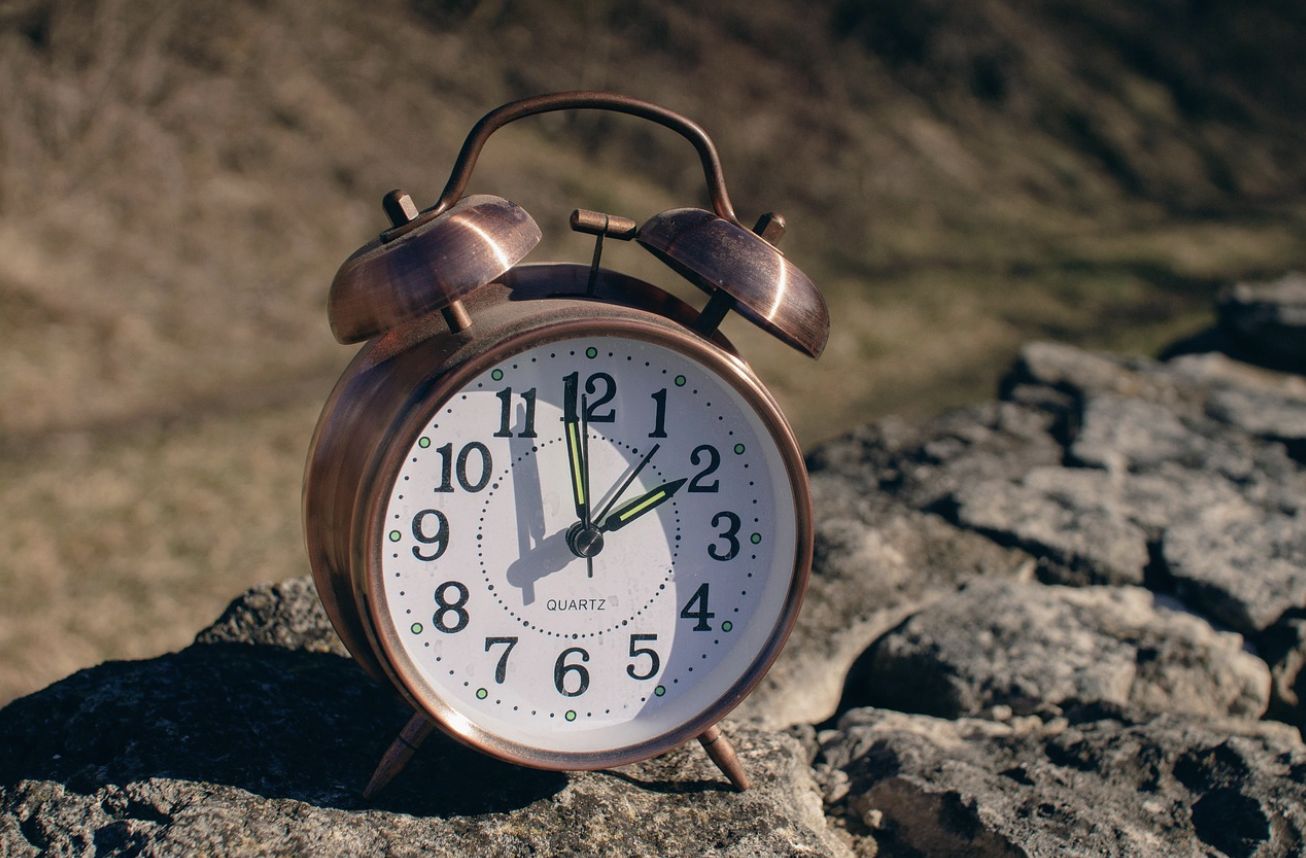
The Only Thing We Can Predict with Certainty
That our own mortal lives will end one day is the only thing we can predict with any certainty. This is a built-in feature of life. This is a hard pill to swallow and makes our ultimate deaths a subject we don’t like talking about very much. But rather than avoid the subject, it has some light we can learn from. Knowing that we are going to die one day, something we alone on this planet (and maybe the universe) experience, comes with the ability to make our fleeting time of living more meaningful and full of wonder in any way that presents itself to us.
The famous poet Mary Oliver wrote a short phrase to sum up what I’m trying to say here: “Lessons for Living a Life: Pay Attention. Be Astonished. Tell About It.” This is a kind of life that is relatively rare in our world of diversions and entertainment. But I can tell you from the increasing glimpses of that world that I am getting as I pursue it, living in the “now” makes everyday workaday life pale by comparison. Mary Oliver’s poems, available in many volumes and collections, speak of her wonder with every moment.
How We Avoid “Now”
Compared to the generations before us, we have an abundance of leisure time. But we often use this leisure time to divert our attention away from what’s really going on in our life in the present moment. We might avoid “now” by fleeing to the nonexistent past or anticipated future in our minds. Or by being glued to screens. Or by rushing around, multitasking and staying busy, mistakenly thinking that the more we do, the more we live. Avoiding what is happening here and now is abundant in modern life. Remember, the world of screens and advertising wants to make you feel inadequate as you are, here and now, and imagine how wonderful you’d be if you’d only buy their products or engage with what’s on the screen.
How to Enhance “Now”
Now is essentially timelessness, living and paying attention so deeply that we stop our awareness of the clock. I found that the best ways to enhance the present moment of “now” all involve some degree of slowing down, being still, listening to our bodies, paying attention to the world around us (especially the natural world), concentrating on breathing, and “having nothing to do.” To many people who have been conditioned otherwise, this seems boring and a waste of precious time. I used to rush around New York City and London like there was no tomorrow, wearing several hats and multitasking more than almost anyone I knew, constantly on the phone or in meetings. Thank God those days are over. The insight, inspiration and wonder that bubble up inside me when things are quiet, and the profound experience of simply being alive in everything I do, are a much higher quality existence than what I was experiencing back then. I thank the universe for guiding me here.